

Human Impact · Off-Grid Electrification
A few years ago, the government identified that, because of the region's rugged terrain and the high cost of extending grid infrastructure, standard electricity would not reach these communities for at least the next 20 years.
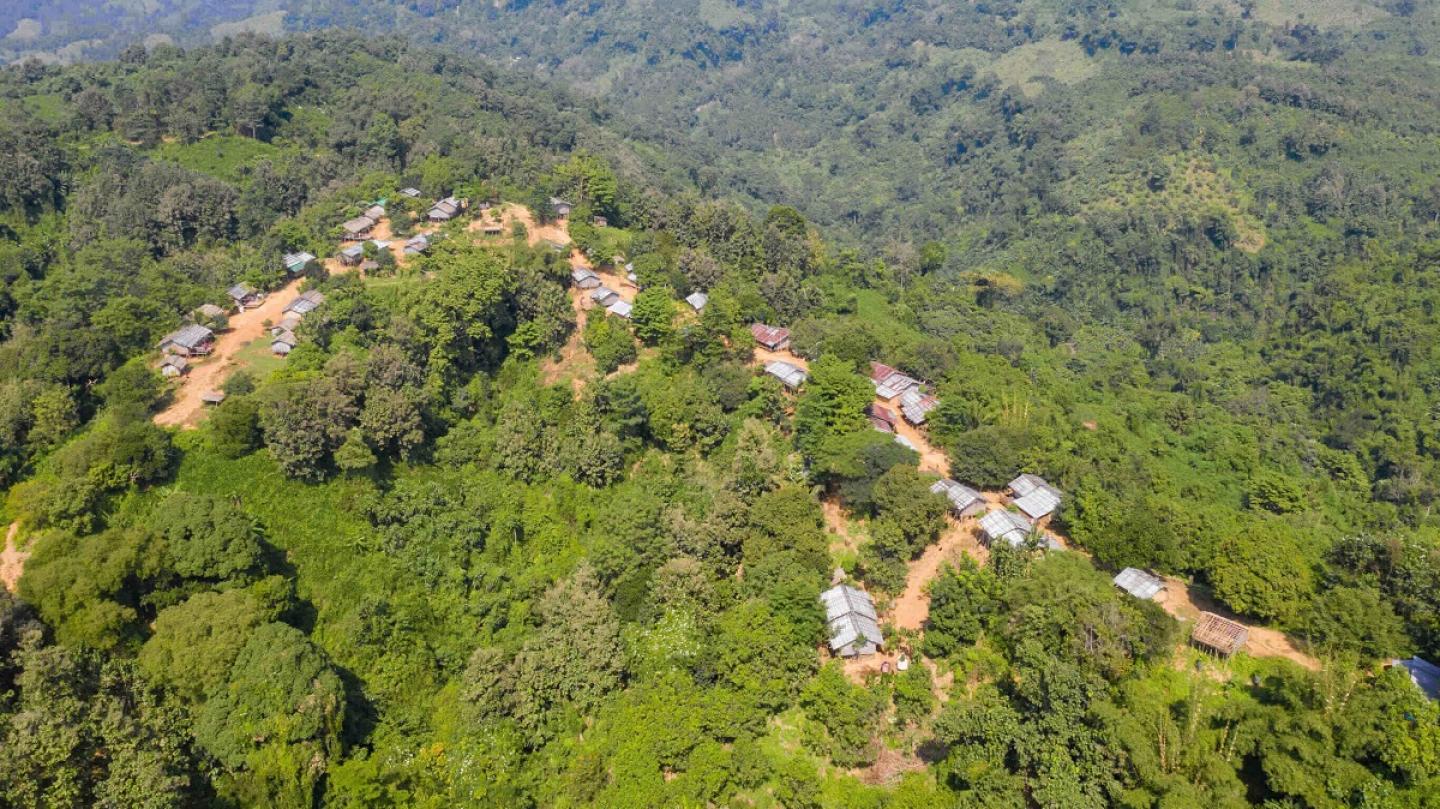
In response to that mandate, PCPL —as the development partner of BMTF —worked directly with the Chittagong Hill Tracts Development Board to design and deliver a large-scale off-grid solar programme, one of the most logistically complex rural electrification efforts the region had seen. The scale required planning around seasonal weather, the absence of any road access, and the need for systems that could operate and be maintained independently of any grid.
Beyond lighting, the programme extended to device charging points and digital connectivity infrastructure, enabling households to participate in services —healthcare information, education platforms, mobile commerce —that had simply been unreachable before. For communities that had been told to wait two decades for power, the change arrived in months.
Project Story
From difficult access to
reliable night-time power
Logistics
Rugged Terrain Access
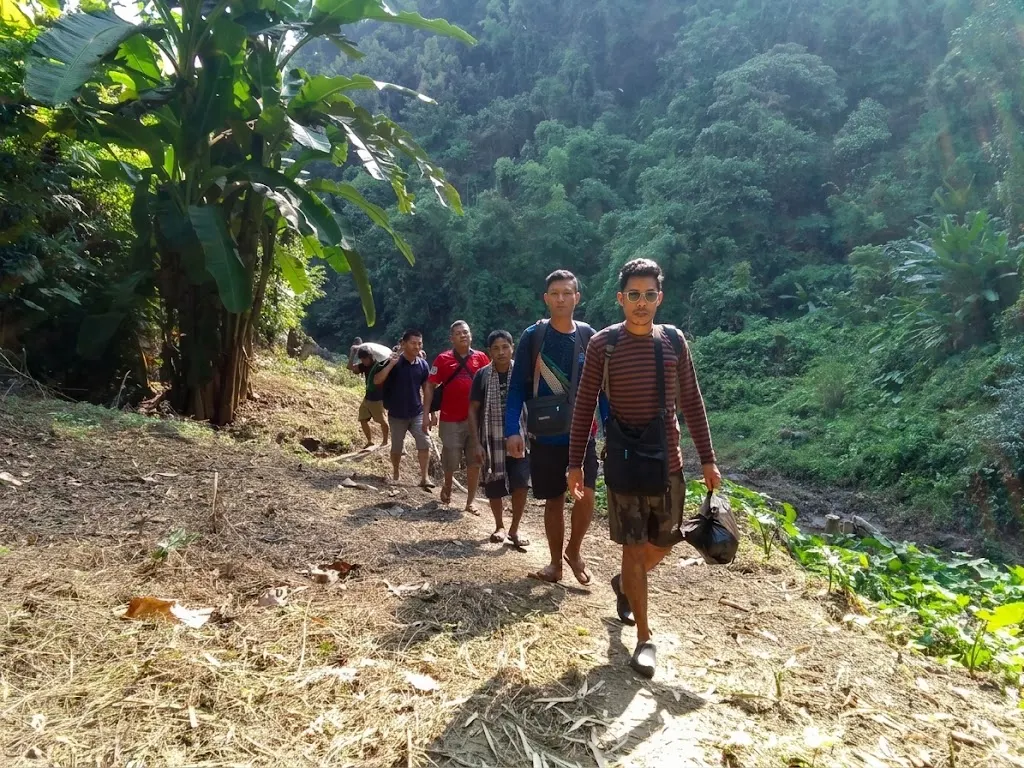
Reaching these communities meant navigating terrain that defeated conventional machinery. PCPL teams crossed unstable slopes and dense forest paths on foot, carrying equipment through conditions where no road or power line had ever been laid.
Impact
Night-Time Productivity
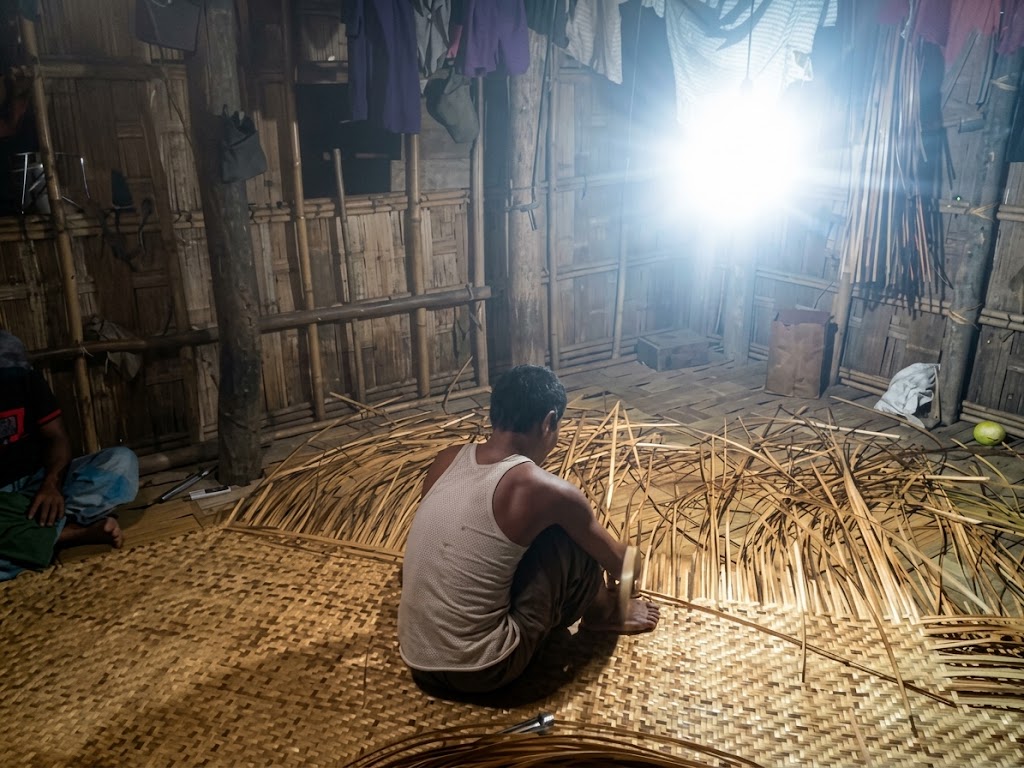
Before solar, life in the hill tracts stopped when the sun went down. After installation, households could keep working through the evening, children had light to study by, and small businesses could stay open — a shift that quietly changed the rhythm of daily life across the region.